
This year, Easter falls on April 9 in Catholic churches. Meanwhile, Greek Catholic and Orthodox churches will celebrate it at the same time – April 16.
The date of Easter in the Christian rites—Catholic, Orthodox, and Greek Catholic—is calculated slightly differently, so only occasionally do the holiday fall on the same date. Orthodox Christians typically celebrate Easter after Catholics, and the difference can be as much as five weeks.
This is because Catholics always celebrate Easter on the first Sunday after the spring full moon. The Orthodox Church adds another condition: Easter Sunday must fall after the end of the Jewish Passover (it is also a moveable feast), because for Orthodox believers, the two holidays are closely linked.
Thus, holidays in Ukraine and Moldova are subordinated to the Julian calendar, while Catholics celebrate according to the Gregorian calendar.
Many holiday traditions in our cultures are similar, but over the centuries, due to different geographical and political conditions, each of them has developed its own unique character of celebrating Passover.
The Capital Group, which is the base of the Uskrzydlamy Foundation, employs followers of the three Christian churches mentioned above, which is why we want to present the way Easter is celebrated in both the Orthodox and Greek Catholic liturgy.
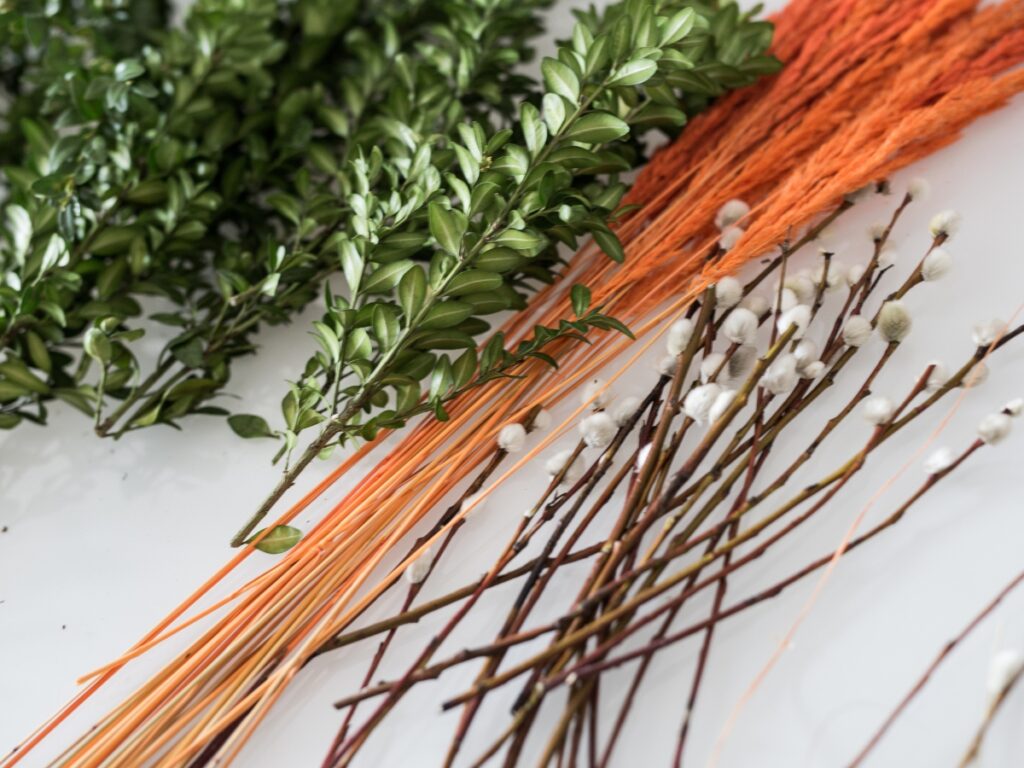
Everyone—Catholics, Orthodox, and Greek Catholics—solemnly bless palms on Palm Sunday. In Moldova, on Palm Sunday, the so-called Duminica FLORIILOR, the faithful do not take palms to church; instead, they receive them from an Orthodox priest, already blessed, in the form of willow branches with catkins. They then take the branches home and arrange them around the icon. These branches are kept in their homes until the following Easter.
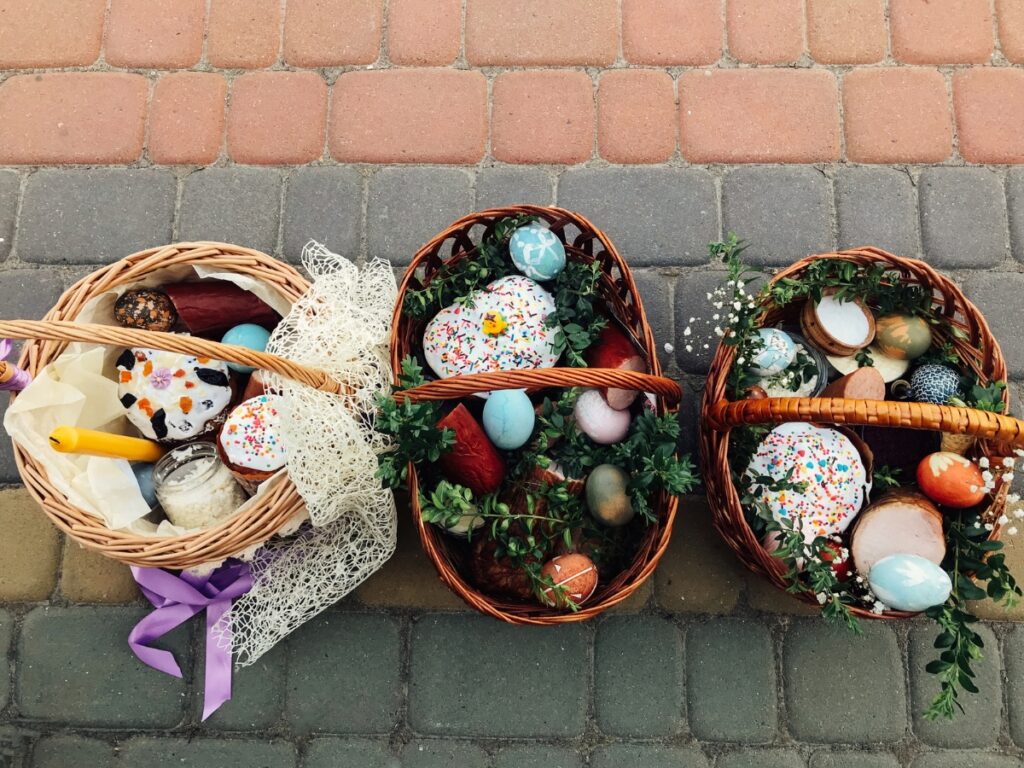
On Holy Saturday, Orthodox Moldovans rush to church with large baskets full of goodies to bless them before sunrise. Moldovan baskets overflow with crushed eggs, white cheeses, sausages, cakes, yeast cakes, and meats. Furthermore, poppy seeds, fresh bacon, salt, and sugar are also a must. Due to their large size, the baskets are not brought into churches but are set outside. The baskets are blessed while it is still dark, and a candle is lit in each basket.
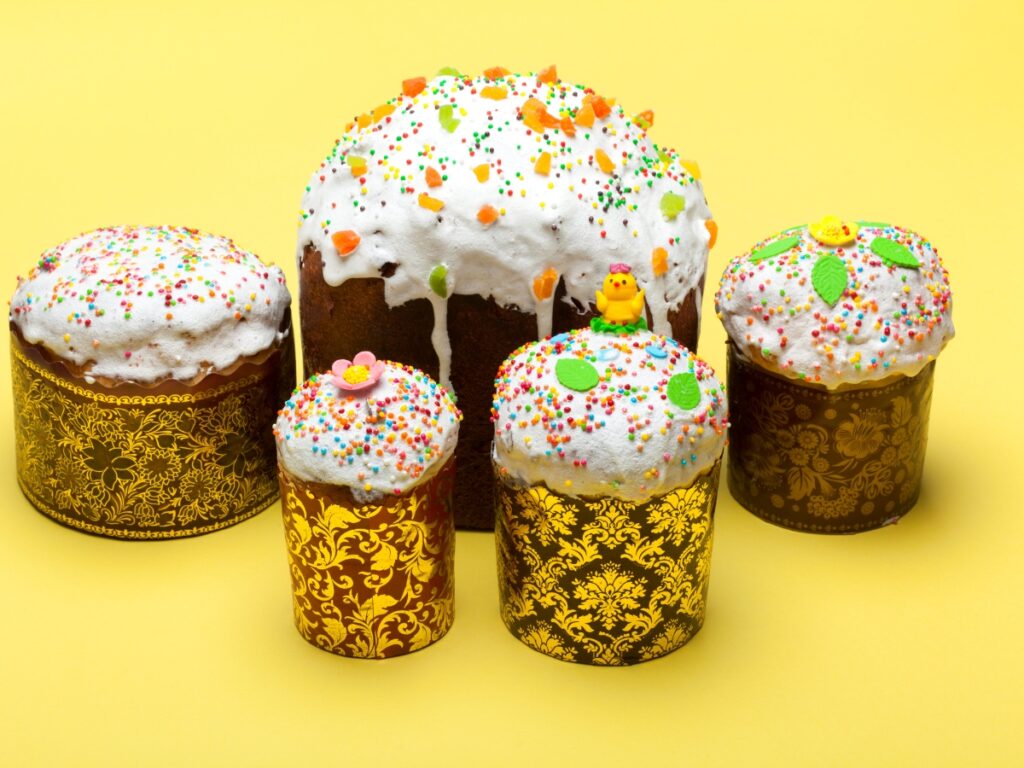
Orthodox Moldovans begin Easter Sunday with a church service. After Mass, they celebrate a festive breakfast. Homemade cold cuts, roasted lamb, pâtés, white sheep's cheeses, cakes, yeast cakes with cheese fillings (PASCA DE PASTE), and large quantities of colored eggs dominate the tables.
Moldovan Easter is celebrated with family and friends. People visit each other, exchanging colorful eggs and sweets. Children are given miniature Easter eggs – COZONACI. Whenever the weather permits, entire families gather outdoors and roast young lamb skewers. Easter Day is celebrated as a family feast with a lavishly laid table. Interestingly, Moldovans don't celebrate Śmigus Dyngus.
Ukraine is home to Orthodox, Greek Catholic, and Catholic believers. However, holiday customs are very similar. Palm Sunday, or Willow Sunday, is one of the twelve most important holidays in the Orthodox liturgical calendar. In accordance with Eastern tradition, the first services with the blessing of palms were held in Orthodox churches on Saturday evening.
Palms in the Eastern Church are much more modest than those seen in our churches. They are usually willow branches with catkins tied with colorful ribbon. Traditionally, they are kept in homes next to icons until the next Easter. Easter, by tradition, is one of the greatest and most solemn holidays in both the religious and secular calendars of our eastern neighbors.
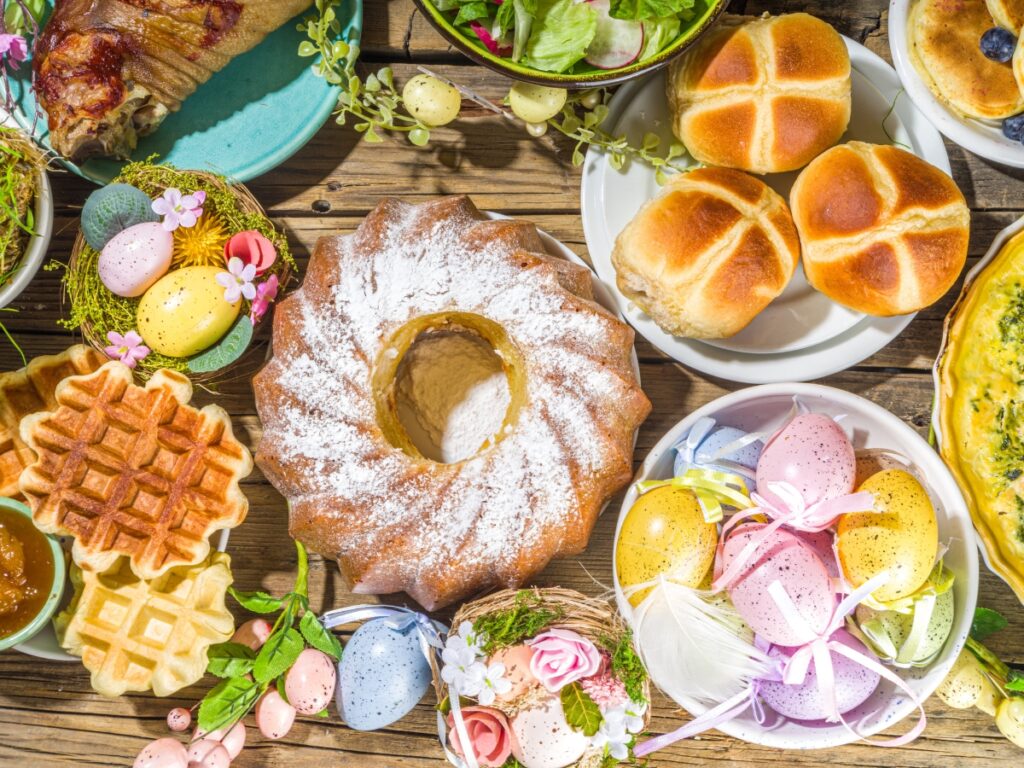
On the night from Saturday to Sunday, Orthodox churches and churches are filled with the faithful. Before dawn, the Resurrection Mass culminates with the blessing of baskets, weighing up to 10 kg. All these goods are then placed on the holiday tables. Before the festive Easter breakfast, the family shares an egg from the Easter basket. Afterwards, they can sit down to a table laden with roasted meats, sausages, pâtés, horseradish, often homemade bread, buttered lambs, and yeast cakes. White cheeses, yeast cakes with dried fruit, and above all, the delicious cheese pascha, brimming with raisins, orange peel, and nuts, are also important elements of the holiday dishes. In Ukraine, the custom of Wet Monday is well-known, a tradition observed in many regions of the country. Easter in Ukraine is incredibly colorful and rich in Orthodox rituals.
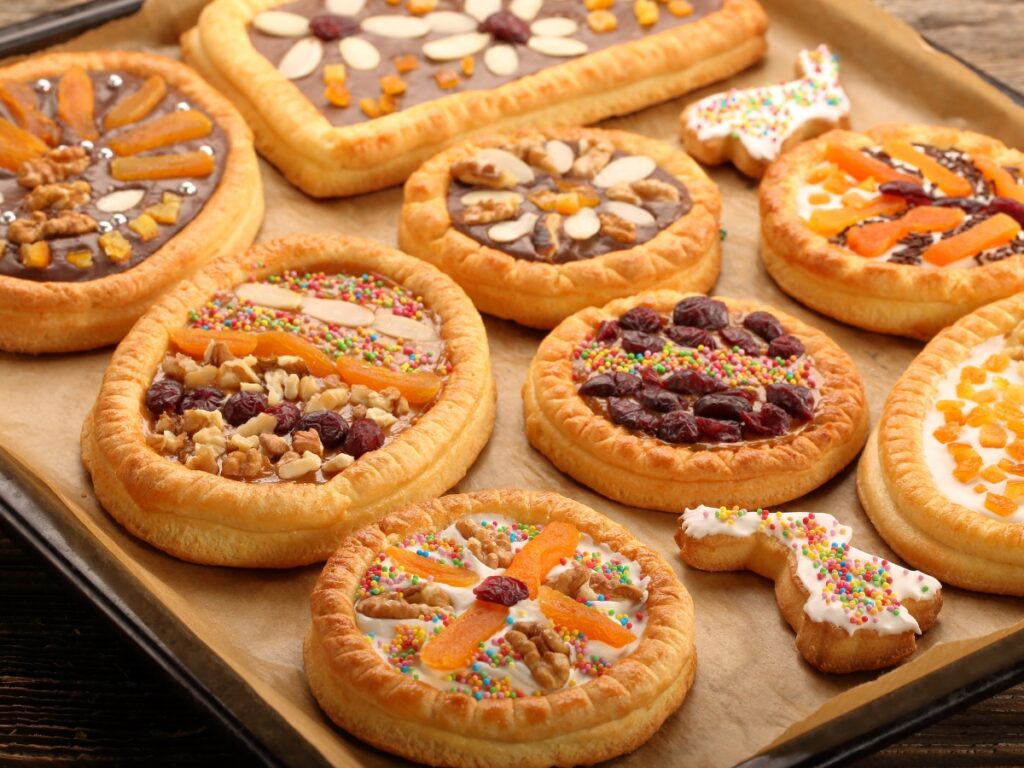
Even though in Moldova and Ukraine white sausage does not appear on the table, as it does in our country, and white borscht, żurek with horseradish are not eaten there, and sweet mazurek are not known there, there are many similarities and common customs.
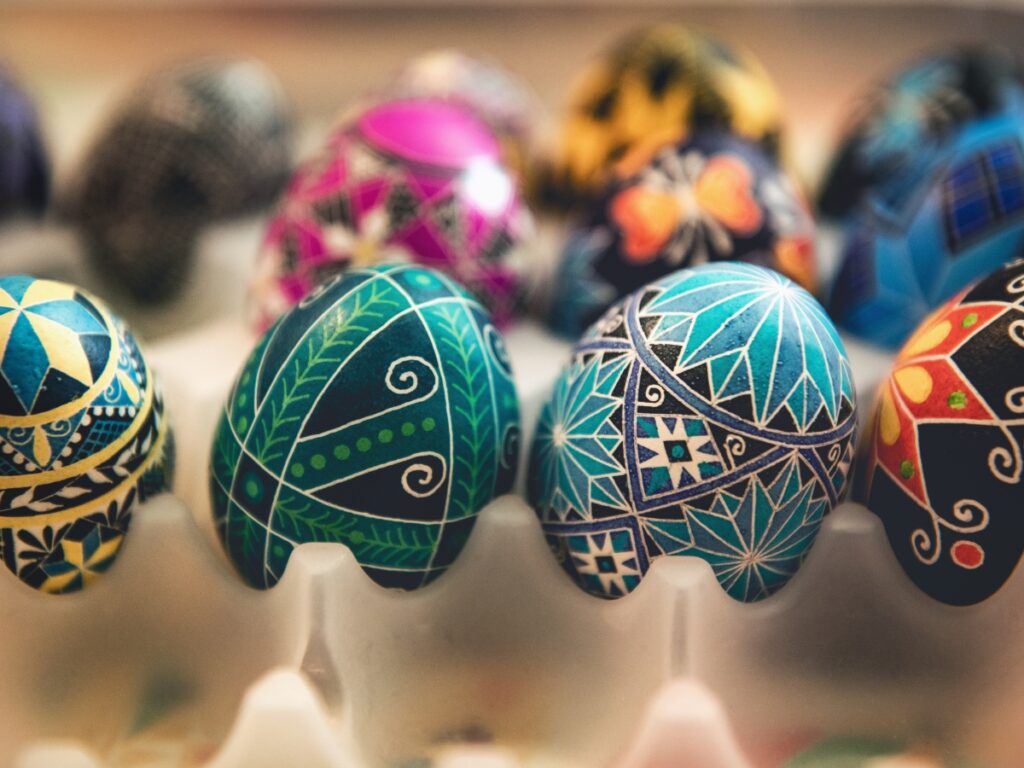
Given that eggs reign supreme during the Easter season, it's worth noting that one of the largest collections of Easter eggs in the world is housed at the Easter Egg Museum in Kolomyia, a city located near Ivano-Frankivsk (formerly Stanislavov) in western Ukraine. This collection of Easter eggs comes from all over the world, but the most numerous are European (including Polish) and, of course, Ukrainian, especially Hutsul, eggs that are an integral part of the Easter traditions of this region.
Of course, Poland also boasts the renowned Easter Egg Museum on the Drohiczyn Upland, in the town of Ciechanowiec. The Easter Egg Museum was established as part of the Museum of Agriculture in 2004, thanks to a private collection of approximately 1,500 items donated by donors for 35 years. The collection is constantly growing with new items. The museum boasts rarities from exotic countries, Easter eggs made using various techniques from various regions of Poland, Europe, and the world. The exhibition features Easter eggs made from chicken, goose, duck, ostrich, and even penguin eggs. The collection also includes miniature, decorated hummingbird and African finch eggs. There are also eggs made of wood, glass, and forged metal.
Easter at the Pisanki Museum lasts almost year-round. It's certainly worth a visit to see such a vast collection of artistically crafted, meticulously crafted, indispensable Easter attributes.
Easter traditions are very important and unique. Therefore, let's remember to cherish and cultivate them in our families, passing them on to future generations.